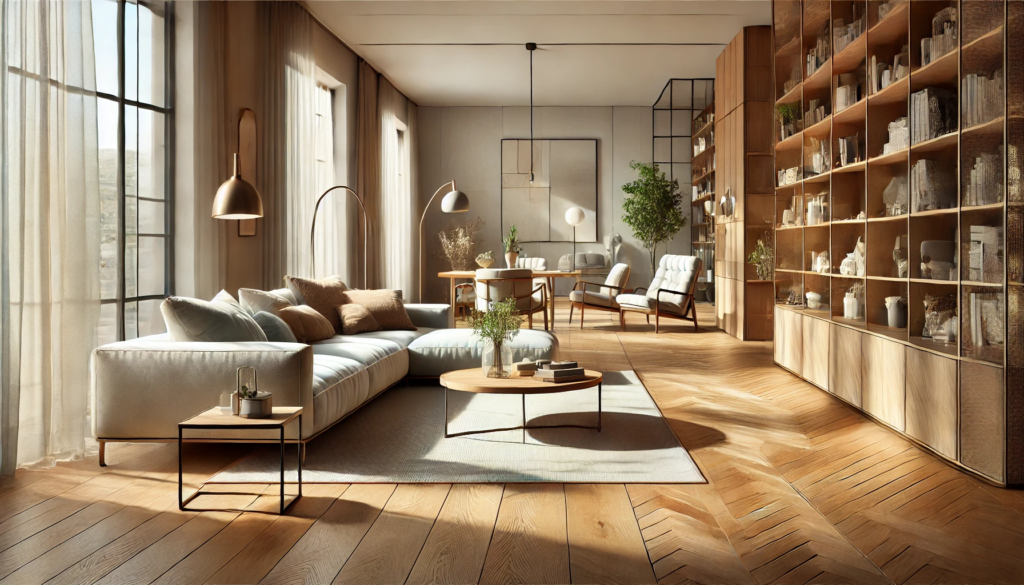

Complete Guide to Engineered Timber Flooring
Engineered timber flooring is a versatile, durable, and cost-effective choice. Comprised of a top layer hardwood veneer over a core of plywood or HDF, it mimics the aesthetic appeal of solid wood, offering various species like oak, walnut, and maple. This layered structure bolsters its strength, resists warping, and simplifies installation. Maintenance is minimal; a soft brush or vacuum, paired with occasional resealing, keeps it pristine. Should you ponder further, you’ll get well-versed in how this engineered marvel contradicts common misconceptions, withstands high-traction environments, and even makes for an exciting DIY project. Onwards, for a deeper understanding!
Understanding Engineered Timber Flooring
Engineered timber flooring is a remarkable innovation in the flooring industry. It’s a brilliant blend of the beautiful aesthetics of natural hardwood and the practical benefits of modern engineering. Let me take you through the basics.
Engineered timber flooring is composed of several layers. The top layer, or the wear layer, is a veneer of real hardwood. This is what gives the flooring its authentic, natural appearance. It’s available in a variety of wood species, so you can choose from options like oak, walnut, or maple to match your interior décor.
Underneath this veneer is the core layer, which is usually made from plywood or high-density fiberboard (HDF). This layer is designed to provide the flooring with stability and durability. The use of these materials also makes engineered timber flooring more affordable than solid hardwood flooring.
To round off the construction, there’s a backing layer. This layer provides additional support and helps to prevent warping, enhancing the overall durability of the flooring. Depending on the specific product, this layer could also be made from plywood or HDF.
This multi-layered structure makes engineered timber flooring suitable for both residential and commercial applications. It’s designed to withstand heavy foot traffic, and it retains its beautiful appearance even in high-traffic areas.
Benefits and Performance Features
Stepping onto engineered timber flooring, you’ll instantly appreciate its numerous advantages. The first thing that often catches the eye is the aesthetic appeal. This flooring type flawlessly mimics the rich warmth and character of natural hardwood, enhancing the decor of any space. However, unlike solid timber, it doesn’t command a hefty price tag. The use of lower-cost wood products in its construction makes it a more affordable choice.
But don’t let the cost savings fool you. Engineered timber flooring is durable and strong. Its layered structure, with a top layer of real hardwood supported by several layers of high-density fiberboard or plywood, provides robust stability. This makes it resistant to warping and cupping, ensuring it can withstand the pressures of high-traffic areas with ease.
One feature you’ll particularly appreciate is its versatility. Whether you adore the classic charm of oak, the rustic allure of walnut, or the subtle sophistication of maple, there’s an engineered timber to match your taste. What’s more, it comes in a range of finishes, from smooth and glossy to distressed and matte, offering you a wealth of design options.
Lastly, the installation of engineered timber flooring is a breeze. With the availability of click-lock or tongue-and-groove systems, you won’t need to worry about using messy glue or potentially dangerous nails. This aspect not only saves you time but also reduces the potential for installation errors, making it an ideal choice for both DIY enthusiasts and professionals alike.
Maintenance Tips for Longevity
Keeping your engineered timber flooring in excellent condition doesn’t have to be an intimidating task. With just a few basic maintenance habits, you can greatly extend the lifespan of your floors and keep them looking as good as new.
Start by cleaning your floors regularly. A simple sweep or vacuum can remove dirt and debris that can scratch the surface. When vacuuming, use a soft brush attachment to avoid causing any damage. For a more thorough clean, use a damp mop with a mild detergent, but avoid any excessive water as it can seep into the cracks and cause damage.
Next, protect your floors from potential scratches and dents. Place felt pads under furniture legs and use protective mats in high traffic areas. If you have pets, keep their nails trimmed to prevent them from scratching the floor.
It’s important to address spills immediately. Any standing water can damage the wood, so be sure to wipe up any spills as soon as they occur. Avoid using harsh cleaning products that can strip the finish off your floors.
Lastly, consider resealing your floors every few years. This can provide an additional layer of protection and keep your floors looking fresh and vibrant.
Installation Guidelines and Requirements
Before diving into the installation process of engineered timber flooring, it’s crucial to understand the guidelines and requirements. Properly installing this type of flooring isn’t as simple as laying down planks. There are critical steps to take and specific conditions to meet that guarantee your flooring lasts and looks great for years.
Firstly, the condition of your subfloor matters. It must be flat, clean, and dry. Any irregularities can lead to problems down the line, such as squeaky boards or uneven surfaces. So, before you start, make certain your subfloor is in top shape.
Next, you must acclimate your engineered timber flooring to the room where it’ll be installed. This means leaving it in the room for a few days before installation. This allows the flooring to adjust to the room’s temperature and humidity levels, reducing the risk of expansion or contraction post-installation.
As for tools, you’ll need a miter saw, jigsaw, and a flooring nailer. If you don’t have them, consider hiring a professional to handle the installation.
Finally, always start laying the planks from the longest, straightest wall and work your way out. Stagger the seams for a more natural look, and remember to leave a gap around the room’s edges for expansion.
In the end, patience and precision are imperative. If you rush the process, you may end up with less than desirable results. Remember, installing engineered timber flooring is an investment in your home, so it’s worth doing it right.
Debunking Common Misconceptions
In the world of flooring, engineered timber often falls prey to a number of misconceptions. People often confuse it with laminate or dismiss it as “not real wood”. Today, I’m here to set the record straight and debunk some of these common misunderstandings.
- “Engineered Timber Isn’t Real Wood”: This is perhaps the most common misconception. While it’s true that engineered timber isn’t a solid slab of hardwood, it’s definitely real wood! The top layer is a veneer of genuine hardwood, which can be anything from oak to maple to walnut. This gives your floor the same beautiful appearance and feel of solid hardwood.
- “Engineered Timber Can’t Be Refinished”: While it’s true that engineered floors can’t be refinished as many times as solid hardwood, they can still be refinished. The number of times will depend on the thickness of the top veneer. Some thicker veneer layers can be refinished two or even three times.
- “Engineered Timber Requires the Same Maintenance as Solid Wood”: This isn’t entirely accurate. Engineered timber is designed to be more stable and less susceptible to changes in humidity and temperature. This means it’s less likely to warp or shrink, and it generally requires less maintenance than solid wood.
Conclusion
So, there you have it – your complete guide to engineered timber flooring. It’s a durable, versatile choice that marries the beauty of natural wood with excellent performance features. Remember, with correct installation and proper care, this flooring can serve you well for years. Don’t let misconceptions deter you; engineered timber is a worthy contender in the flooring market. I hope this guide has been helpful in your decision-making. Happy flooring!